How Does Mediterranean Brunch Differ From Traditional Brunch?
Brunch has evolved from a simple combination of breakfast and lunch into a global dining ritual that reflects culture, lifestyle, and culinary identity. While traditional brunch continues to dominate menus with pancakes, omelets, and pastries, Mediterranean brunch introduces a refreshing and flavor-forward alternative. This distinctive style blends fresh ingredients, wholesome preparation methods, and social dining traditions that transform brunch into an experience rather than just a meal.
Understanding how Mediterranean brunch differs from traditional brunch helps diners make informed choices, appreciate global food traditions, and explore healthier yet indulgent options. This detailed guide explains the key differences across ingredients, dishes, flavors, cultural influences, nutrition, and overall dining philosophy.
Understanding the Foundations of Brunch Culture
Before comparing both styles, it helps to understand what brunch represents in different culinary contexts. Traditional brunch developed largely in North America and Europe as a leisurely weekend meal. Restaurants often design brunch menus to feel indulgent, celebratory, and comforting.
In contrast, Mediterranean brunch reflects centuries-old eating habits from regions surrounding the Mediterranean Sea, including Greece, Italy, Spain, Turkey, and parts of the Middle East. These cultures value freshness, balance, and shared meals, which directly influence how brunch appears on the table.
As a result, Mediterranean brunch focuses less on excess and more on harmony, nutrition, and flavor layering.
Key Ingredients That Define Mediterranean Brunch
Mediterranean brunch relies heavily on natural, minimally processed ingredients. Chefs prioritize seasonal produce, plant-based foods, and healthy fats. This approach instantly separates it from traditional brunch menus.
Fresh Vegetables Take Centre Stage
Mediterranean brunch includes tomatoes, cucumbers, spinach, eggplant, peppers, zucchini, and leafy greens in abundance. These vegetables appear raw, grilled, roasted, or lightly sautéed, which preserves texture and nutrients.
Traditional brunch often limits vegetables to side dishes or garnishes, such as spinach in omelets or potatoes as hash browns.
Olive Oil Replaces Butter
Mediterranean cooking consistently uses extra virgin olive oil as the primary fat. Cooks drizzle it over salads, use it for sautéing, and blend it into dips and spreads. Olive oil adds richness while supporting heart health.
Traditional brunch relies heavily on butter, cream, and refined oils, especially in baked goods and sauces like hollandaise.
Whole Grains Over Refined Carbohydrates
Mediterranean brunch incorporates bulgur, farro, barley, whole wheat bread, and pita. These grains offer fibre, sustained energy, and a nutty texture.
In comparison, traditional brunch favors white bread, croissants, waffles, pancakes, and pastries made with refined flour.
Herbs and Spices Drive Flavor
Mediterranean brunch features fresh herbs such as parsley, mint, dill, oregano, and basil. These herbs brighten dishes naturally and eliminate the need for heavy sauces.
Traditional brunch relies more on sweet spices like cinnamon and nutmeg or salty seasonings like pepper and paprika, often paired with sugary syrups or creamy toppings.
Typical Dishes Served in Mediterranean Brunch
Mediterranean brunch menus showcase variety, color, and shareability. Each dish offers bold flavor without overwhelming heaviness.
Shakshuka as a Signature Dish
Shakshuka stands out as a Mediterranean brunch favorite. Cooks prepare it by poaching eggs in a rich tomato sauce infused with garlic, onions, cumin, and paprika. The dish delivers warmth, spice, and comfort without excessive fat.
Traditional brunch often features eggs Benedict instead. While delicious, hollandaise-heavy dishes tend to feel heavier and richer.
Mezze Platters Encourage Sharing
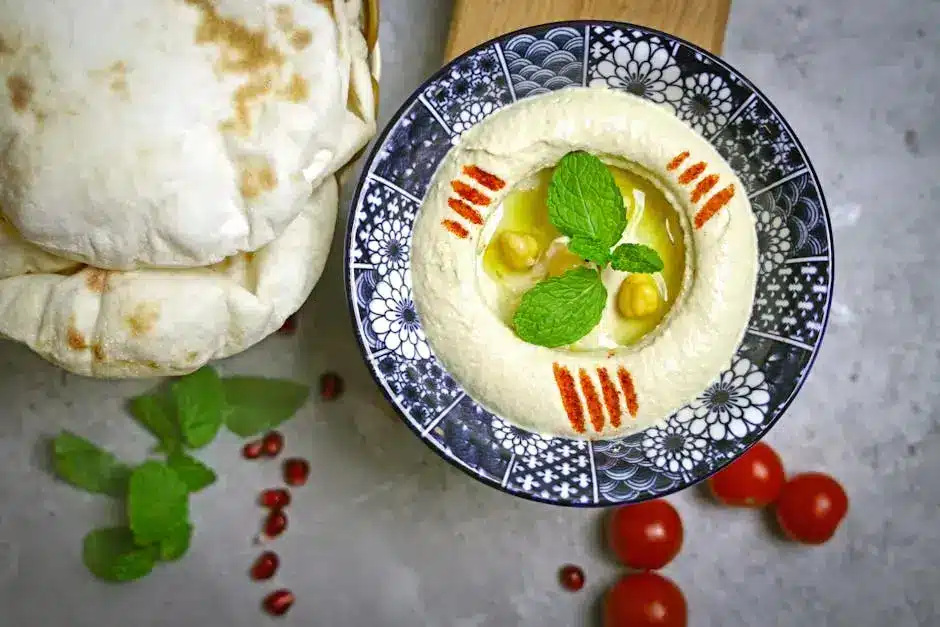
Mediterranean brunch often begins with mezze platters. These platters include hummus, baba ganoush, tzatziki, labneh, olives, and fresh bread. Diners share these dishes, which creates a communal atmosphere.
Traditional brunch usually focuses on individual plates rather than shared spreads.
Savory Pastries Replace Sugary Bakes
Mediterranean brunch introduces pastries such as spanakopita, börek, and manakish. These pastries use phyllo or flatbread and feature savory fillings like spinach, cheese, herbs, and minced vegetables.
In contrast, traditional brunch highlights muffins, cinnamon rolls, danishes, and sweet croissants.
Yogurt Becomes a Nutritional Staple
Mediterranean brunch regularly includes Greek yogurt topped with honey, nuts, seeds, or fruit. This combination balances protein, probiotics, and natural sweetness.
Traditional brunch typically uses yogurt sparingly or replaces it with whipped cream, syrup, or custard-based sides.
Cultural Influences Behind Mediterranean Brunch
Mediterranean brunch reflects a lifestyle rooted in balance, patience, and social connection. People treat meals as opportunities to connect rather than rush.
Communal Dining Shapes the Experience
Mediterranean cultures emphasize sharing food. Families and friends gather around large tables, pass plates, and enjoy long conversations. Brunch often extends into the afternoon without pressure.
Traditional brunch tends to feel time-bound and individualistic, especially in busy urban settings.
Seasonal Eating Guides Menu Choices
Mediterranean regions prioritize seasonal ingredients. Menus change based on harvest cycles, ensuring peak flavor and freshness.
Traditional brunch menus often remain static year-round, regardless of seasonal availability.
Light Eating Supports Longevity
Mediterranean cultures associate food with wellness and longevity. Brunch meals avoid excess sugar and heavy fats, which aligns with the Mediterranean diet’s global recognition for health benefits.
Traditional brunch often celebrates indulgence, which suits occasional enjoyment but lacks everyday balance.
Comparing Flavor Profiles
Flavor distinguishes the Mediterranean brunch immediately. Every dish offers contrast, brightness, and complexity.
Bright, Fresh, and Balanced Tastes
Mediterranean brunch blends acidity from lemon, richness from olive oil, saltiness from olives and cheese, and freshness from herbs. These elements create layered flavors without heaviness.
Traditional brunch flavors often skew sweet or creamy, relying on syrup, sugar, butter, and cream.
Natural Umami Enhances Satisfaction
Ingredients such as tomatoes, olives, feta, and roasted vegetables add natural umami to Mediterranean brunch dishes. These flavours satisfy the palate without excessive seasoning.
Traditional brunch often relies on bacon, sausage, or processed meats for umami, which increases sodium and fat content.
Nutritional Differences Between Mediterranean and Traditional Brunch
Nutrition plays a major role in how both brunch styles affect energy levels and overall well-being.
Mediterranean Brunch Supports Balanced Nutrition
Mediterranean brunch delivers fiber, healthy fats, lean proteins, and antioxidants. Meals support digestion, heart health, and stable energy.
Traditional Brunch Leans Toward Indulgence
Traditional brunch often contains refined carbohydrates, added sugars, and saturated fats. While enjoyable, these meals may cause energy crashes later in the day.
For diners who prioritize wellness without sacrificing flavor, Mediterranean brunch provides a compelling alternative.
The Dining Experience: Atmosphere and Presentation
Mediterranean brunch values visual appeal and relaxed pacing.
Colorful Presentation Enhances Appetite
Mediterranean dishes showcase vibrant colors from fresh vegetables, herbs, and natural ingredients. Plates feel inviting and artisanal.
Traditional brunch presentation often focuses on portion size rather than visual diversity.
Slower Pace Encourages Mindful Eating
Mediterranean brunch unfolds gradually. Diners savor each dish, which improves digestion and satisfaction.
Traditional brunch often operates within strict time windows, especially in busy restaurants.
Why Mediterranean Brunch Continues to Gain Popularity
Modern diners increasingly seek food that feels both indulgent and nourishing. Mediterranean brunch meets this demand by offering flavor, variety, and wellness in one experience.
Restaurants like Ivy By The Lake recognize this shift and offer Mediterranean-inspired brunches that reflect sophistication, balance, and global influence. By blending authentic ingredients with refined presentation, Ivy By The Lake creates brunch experiences that feel memorable and modern.
Mediterranean Brunch vs Traditional Brunch: A Quick Comparison
| Aspect | Mediterranean Brunch | Traditional Brunch |
|---|---|---|
| Primary fats | Olive oil | Butter, cream |
| Grains | Whole grains | Refined grains |
| Flavor focus | Savory, herbal, fresh | Sweet, rich |
| Dining style | Communal | Individual |
| Nutrition | Balanced and light | Indulgent and heavy |
Frequently Asked Questions (FAQs)
What makes Mediterranean brunch healthier than traditional brunch?
Mediterranean brunch uses whole foods, olive oil, fresh vegetables, and lean proteins. These ingredients support heart health, digestion, and sustained energy. Traditional brunch often includes refined carbs and added sugars, which reduce nutritional balance.
Does Mediterranean brunch include eggs?
Yes, Mediterranean brunch frequently includes eggs in dishes such as shakshuka, frittatas, and baked egg plates. Chefs often pair eggs with vegetables, herbs, and spices rather than heavy sauces.
Is Mediterranean brunch suitable for vegetarians?
Mediterranean brunch suits vegetarians exceptionally well. Many dishes rely on vegetables, legumes, grains, cheese, and yogurt. Mezze platters and savory pastries offer satisfying vegetarian options.
How does Mediterranean brunch support social dining?
Mediterranean brunch encourages sharing through mezze platters and communal dishes. This style promotes conversation and connection, which enhances the overall dining experience.
Can a Mediterranean brunch feel indulgent?
Yes, Mediterranean brunch feels indulgent through bold flavors, artisanal breads, cheeses, and savory pastries. It delivers satisfaction without excessive heaviness.
Why do restaurants feature Mediterranean brunch more often now?
Modern diners value wellness, authenticity, and global flavors. Mediterranean brunch aligns with these preferences, making it increasingly popular in contemporary dining spaces like Ivy By The Lake.
Final Thoughts: Choosing the Right Brunch Experience
Mediterranean brunch differs from traditional brunch in philosophy, ingredients, and execution. It values freshness, balance, and social connection, while traditional brunch emphasizes comfort and indulgence.
For diners seeking variety, vibrant flavors, and a relaxed dining atmosphere, Mediterranean brunch offers an enriching alternative. Venues such as Ivy By The Lake demonstrate how this style elevates brunch into a refined yet approachable experience that appeals to modern tastes.
Looking to experience an elevated Mediterranean brunch in a serene lakeside setting? Ivy By The Lake offers thoughtfully crafted brunch dishes inspired by Mediterranean flavours, seasonal ingredients, and refined dining traditions.
Contact us today to reserve your table or learn more about our brunch offerings and dining experience.
